

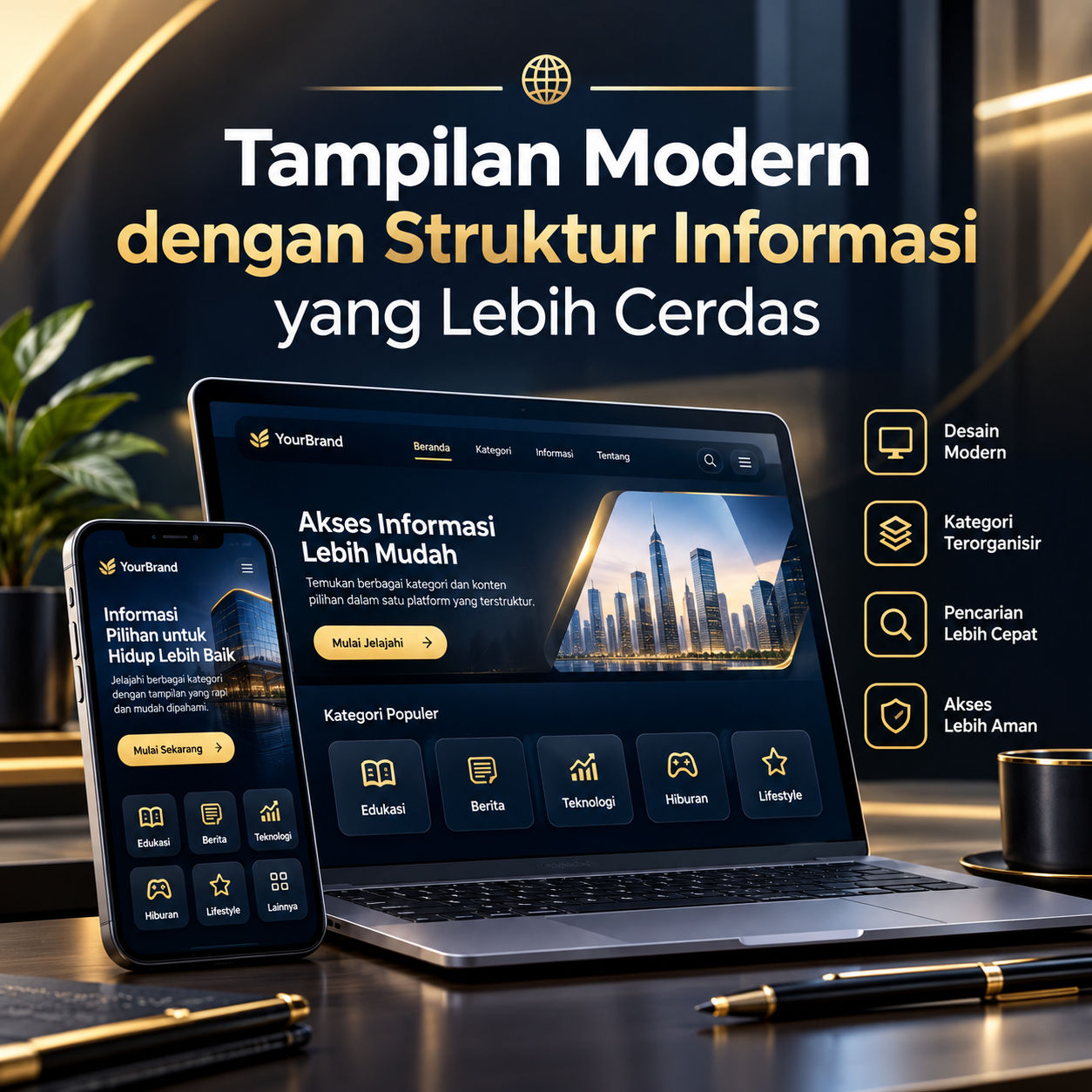
NAGAPETIR: Tampilan Modern NAGA PETIR dengan Struktur Informasi yang Lebih Cerdas
“Perpaduan desain modern dan kategori terorganisir membuat NAGAPETIR menjadi ruang digital yang nyaman untuk berbagai aktivitas eksplorasi informasi.” More info
NAGAPETIR: Tampilan Modern NAGA PETIR dengan Struktur Informasi yang Lebih Cerdas
Perpaduan desain modern dan kategori terorganisir membuat NAGAPETIR menjadi ruang digital yang nyaman untuk berbagai aktivitas eksplorasi informasi.
FAQ (Frequently Asked Questions)
Apa yang menjadikan sebagai ruang informasi digital yang menarik?
Jawaban: mengutamakan perpaduan tampilan modern dan penyusunan informasi yang terstruktur. Pendekatan ini membantu pengguna mengenali berbagai kategori dengan lebih mudah sekaligus menciptakan pengalaman menjelajah yang terasa nyaman.
Bagaimana struktur informasi di membantu aktivitas penelusuran?
Jawaban: Informasi dikelompokkan berdasarkan kategori agar pengguna dapat menentukan arah pencarian secara lebih jelas. Dengan susunan menu yang logis, proses berpindah dari satu pembahasan ke pembahasan lain terasa lebih praktis dan efisien.
Apakah desain mendukung pengalaman menjelajah melalui ponsel?
Jawaban: Desain yang ringkas dan penempatan elemen yang terarah dapat membantu pengguna mengakses informasi melalui perangkat seluler. Kenyamanan penggunaannya tetap bergantung pada penerapan desain responsif dan kompatibilitas situs dengan perangkat yang digunakan.
Apa manfaat kategori terorganisir bagi pengguna ?
Jawaban: Kategori yang tertata membantu memisahkan berbagai topik sehingga informasi tidak tercampur dalam satu halaman yang padat. Pengguna pun dapat mengenali pembahasan yang relevan tanpa harus menelusuri seluruh konten secara berulang.
Bagaimana menciptakan navigasi yang lebih cerdas?
Jawaban: Navigasi dirancang dengan mengutamakan kejelasan nama menu, penempatan kategori, dan alur perpindahan halaman. Dengan pendekatan tersebut, pengguna dapat memahami struktur platform secara bertahap dan menemukan informasi sesuai kebutuhannya.
Review Pemain NAGAPETIR
User: Selena Gomes
- “Saya cukup menyukai cara menyusun berbagai informasi ke dalam kategori yang mudah dikenali. Tampilannya terasa modern, tetapi tetap mengutamakan kejelasan sehingga saya bisa menjelajah tanpa merasa bingung.”
User: Alvin Tua Salamoni
- “Buat saya, susunan menu yang masuk akal merupakan nilai tambah sebuah platform. menghadirkan alur penelusuran yang lebih tertib, sehingga mencari topik tertentu terasa lebih sederhana dibandingkan menghadapi halaman yang penuh elemen.”
User: Luiz Nani
- “Kesan pertama saya terhadap adalah tampilannya terlihat bersih dan terorganisasi. Setiap bagian memiliki fungsi yang cukup jelas, membuat pengalaman membaca dan berpindah kategori terasa lebih nyaman.”

Added to your wish list!

- NAGAPETIR: Tampilan Modern NAGA PETIR dengan Struktur Informasi yang Lebih Cerdas
- 1 in stock
- Price negotiable
Get an item reminder
We'll email you a link to your item now and follow up with a single reminder (if you'd like one). That's it! No spam, no hassle.


